Barnwood Park and Arboretum


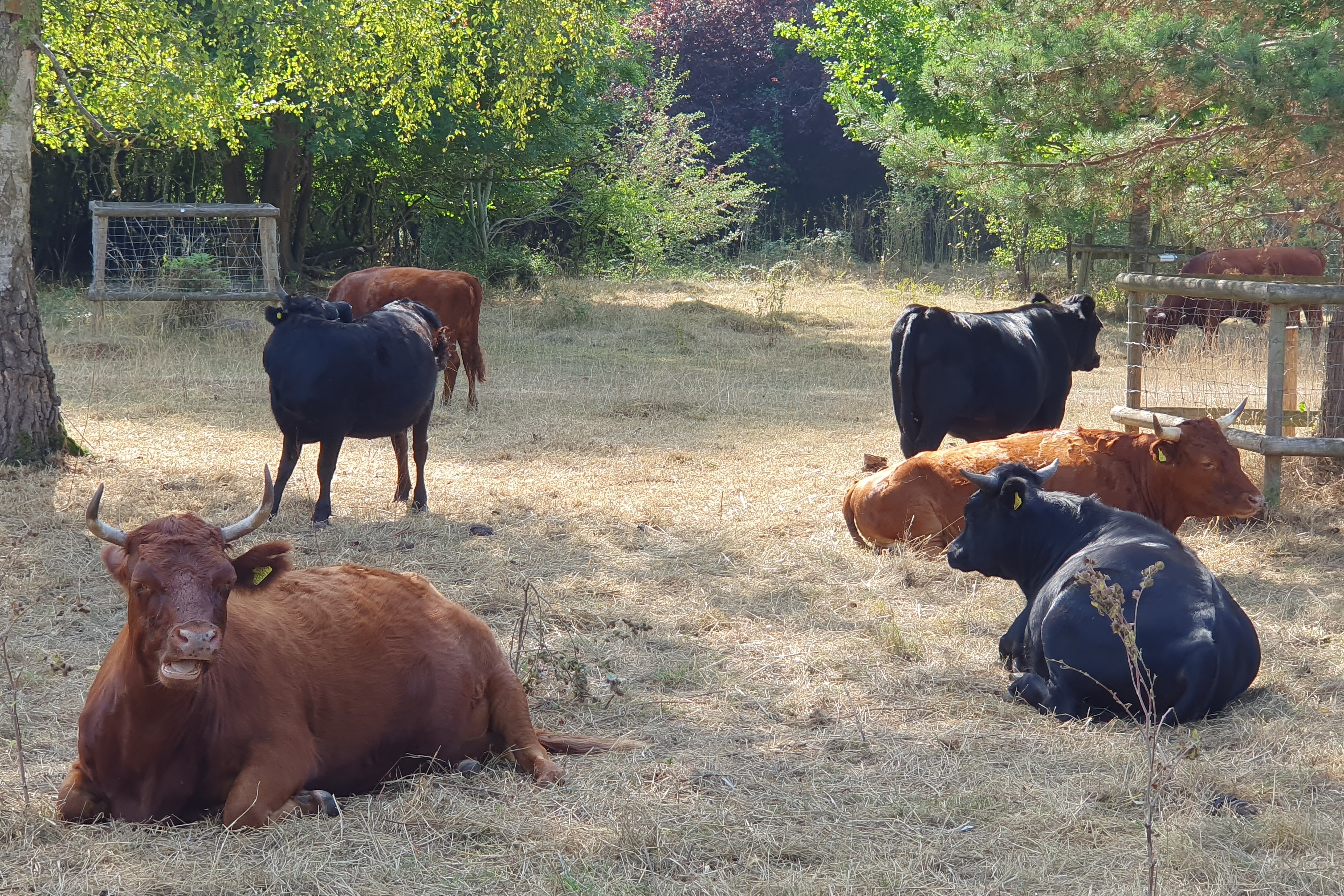
Meet the Grazing Team

Barnwood Arboretum is a Local Nature Reserve (designated by Natural England) so the main aim in managing the site is to maintain and improve habitat for wildlife. 

When you walk through the long grass in the Arboretum in the summer you can’t help but disturb lots of insects, especially grasshoppers, butterflies and moths. If the grass were mown, like it is in the rest of the park, then these insects would not have time to get away and the ant hills (the mounds you can see in the grassland areas) of the Yellow Meadow Ants would be destroyed. In contrast cattle and sheep move around slowly and take weeks to consume the vegetation, giving insects, small mammals and amphibians time to move away and continue their life-cycle. 

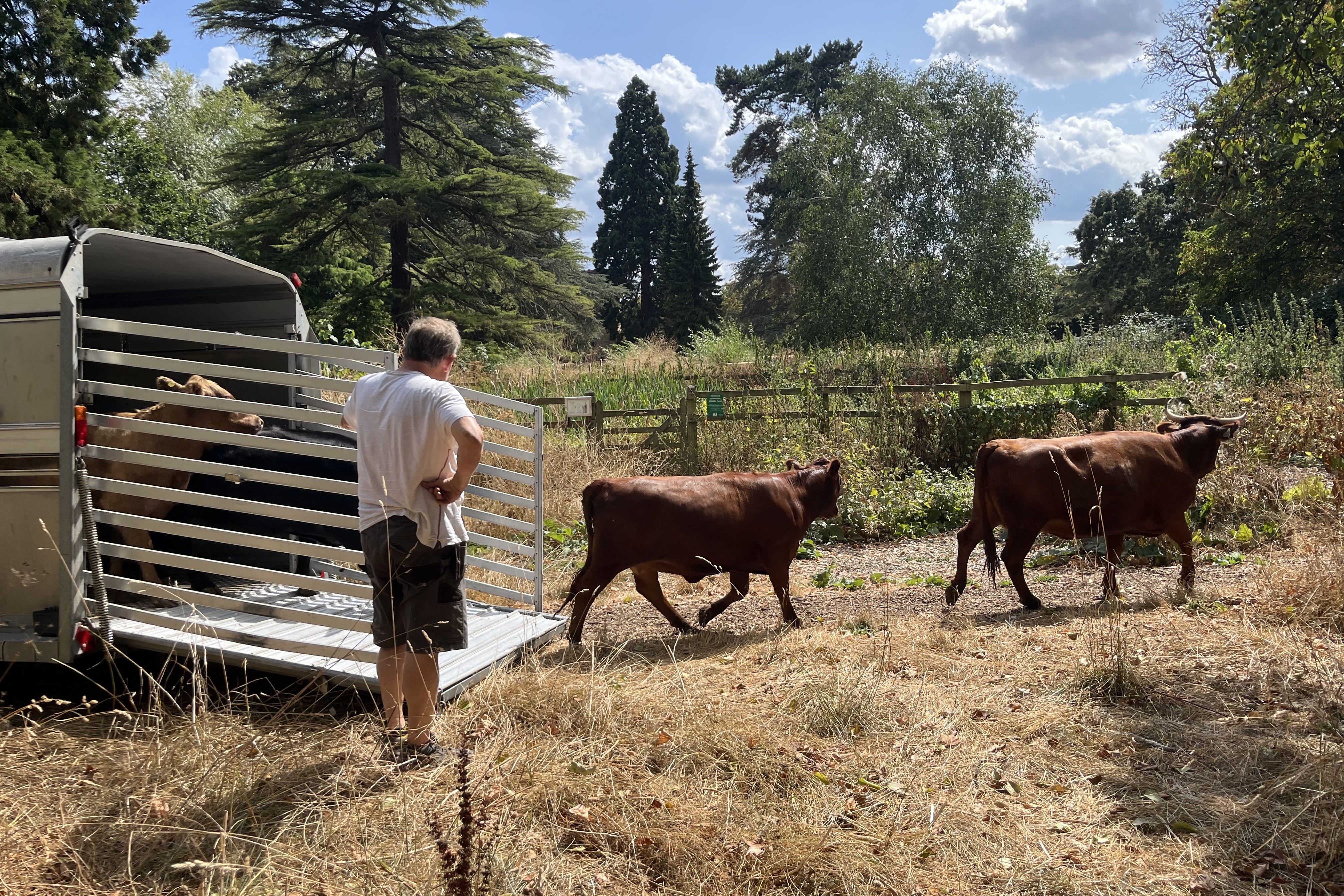
Dexter cattle graze the Arboretum between July and September. They are selective in what they eat and this allows the less vigorous plants (wildflowers) to become established and reduces the more dominant ones. This increase in plant species benefits butterflies, bees, bats and birds. The cattle also leave some areas of longer vegetation and these provide shelter for insects and small mammals.

Trampling by the cattle creates areas of bare ground, which can provide opportunities for seed to germinate and are beneficial for invertebrates and amphibians. There are many frogs in the Arboretum!

In the past sheep have arrived in the Arboretum after the cattle have left in September. In recent years no sheep have been available and we came to the conclusion that sheep were not really necessary in addition to the cattle. Sheep grazing produces more of a lawn, with fewer areas for overwintering insects and small mammals. Cattle grazing, on the other hand,  creates a mosaic of habitats. The aim of a Nature Reserve is to provide a range of habitats, including pockets of longer grass, suitable for as wide a variety of insects and mammals as possible. 

Cattle produce dung and this creates habitat for many invertebrate species. Over 250 species of insects are found in or on cattle dung in the UK.

We are extremely grateful to the owners of the Dexter cattle and that come to graze here every year and for the important benefits that the animals bring.
Make a free website with Yola